|
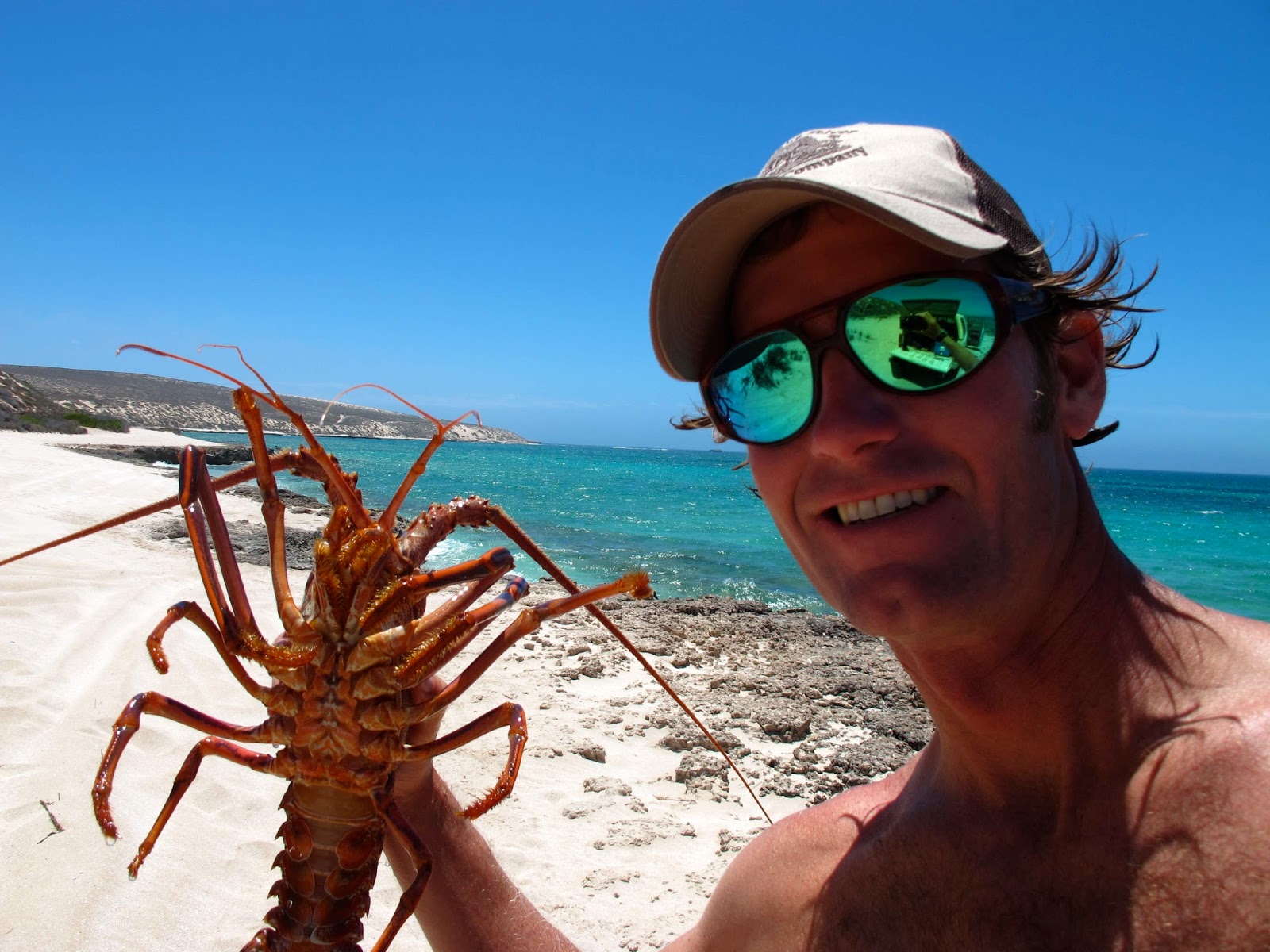
| Tejon Ranch Conservancy is pleased to welcome Tim Bulone to the team |
two months. We are pleased to welcome Administrative Coordinator Tim Bulone to the office and have been delighted by his demeanor, sense of humor, and ability to get things done. We thought it would be nice for you to get to know Tim a little bit better, too:
Where are you from?
I was born and raised in Orange County, California when
there were still orange groves between the cities. I grew up among the
burgeoning stuccoed subdivisions and stayed until my early 20s and then moved
to the Mojave Desert near, what was then Joshua Tree National Monument, which is
now a National Park. That is where I married my wife, Susan, and where we
raised our two sons. We came back to “civilization” twenty years later to be
closer to our aging parents.
What’s your
background?
Well, despite my dashing good looks I am actually a bit long
in the tooth (you have to be kind of
old to even use an expression like that!). I have done many kinds of work over
the years, I grew jojoba beans in the desert, worked for a small community
newspaper as a photographer, managed a print shop, worked for a HUD contractor
archiving files, worked for political fundraisers and then worked in
development and administration for land conservancies (a karmic balancing for
having anything to do with politics!). And now here I am bringing my varied
work skills to bear at the Tejon Ranch Conservancy. I love to help, and have a
keen appreciation for people committed to keeping making our swirling blue
planet a better place.
 |
We know you’ve just
recently arrived at Tejon Ranch, but have you had any special nature moments in
your time here?
Absolutely! Public Access Manager Scot Pipkin invited me
along one day to go out and see the Ranch while he did some mapping. It was not
long after the snows in January, the air was chilled but the sun was bright and
the hills wore a bright clean green coat. I had that sense that the air was crisp
and clean and I just wanted to gulp it down. As we lurched higher and higher
into the hills there’s that sense that we leave behind the busy-ness of the
work-a-day world. Even though we don’t hear it, I’m convinced there’s a psychic
din that comes from living in built-up places. Here, the noise of the world
turns into a sort of music made up of bird song (how on earth does Scot know so
many birds, not just by sight but also by song!), gurgling streams and wind
traversing the contours of the land and bare-boned oaks.
When we arrived at our destination and we stepped from the
truck, Scot offered to have me join him on his mapping quest (up a steep, rocky
hillside where even cows won’t go) but I was enamored of the place where I
stood, Joaquin Flats, with its expanse of oaks on a soft, subtly undulating
plain. Golden eagles, red-tailed hawks, chubby ground squirrels and croaking
frogs were my companions in Scot’s absence. But what struck me the most that
day (and thinking about it now) are these solitary giants, the oak trees, weathered
and scarred by storms and time, ancient witnesses, silent watchers. When I see
trees like these, I expect to hear them speak. I listen as I might to an old
warrior, because they command and deserve my respect. In intangible ways, I
have come to expect Nature to speak to me and I am rarely disappointed.
Several of us at the
Conservancy are pretty big audiophiles. Can you list 5 of your favorite albums
or musical artists?
My taste in music is varied but if I were stranded on a
desert island and could only save five, hands down, Joni Mitchell would be the
top of my list. Sometime in the 1970s I wore out the grooves of my Miles of
Aisles album. In the same old school vein I still love Gordon Lightfoot and
James Taylor (are you sensing a pattern here?). In modern times, I love Mary
Chapin Carpenter and Marc Cohn among so many others. I’m also attracted to
movie scores, they’re especially perfect for listening and working. Thomas
Newman’s work for the Shawshank Redemption and American Beaauty, for example,
are incredibly beautiful to me.
We like to talk about
how Tejon Ranch is at the confluence of 4 of Ca’s major ecoregions
(southwestern Ca, SJV, Sierra Nevada, Mojave Desert). Is there one you are most
eager to explore?
 I’m really hoping to see ALL of it as time goes on but would
most like to see the Sierra Nevada portion. I’ve driven and backpacked (in my
younger days) portions of that range. I’m just happy that wilderness exists and
needs to exist. I believe it’s good for humanity’s soul for it to be there, for
it to be explored and experienced and contemplated.
Besides Tejon Ranch,
can you list 5 California locations you love?
1.
The Little San Bernardinos range that is the
backbone of Joshua Tree National Park, there’s a spot I have visited there
that’s just made for contemplating the beauty of Earth. From there you can see
the two tallest peaks in Riverside and San Bernardino counties, Mount San
Jacinto and Mount San Gorgonio respectively.
2.
Arch beach near Laguna. I spent many glorious summer
vacations with my family at Laguna Beach and the walk down to the arch was a
meditative experience for me.
3.
I made a rough and tumble trip down a dirt road
on the back side of Big Bear in the San Bernardino Mountains and ended up at a
place that is now the Mojave River Forks Regional Park near Hesperia. Here the
wind spoke to me as the Larrea danced to and fro.
4.
There is a granite ledge on the Alger Creek
Trail in the San Gorgonio wilderness where I dangled my legs for some time as
dusk fell over the forested valley below. I watched the sky change hues and felt
the magnificence of this incredible planet.
5. There
is a tiny hill on BLM land between Ghost Road and Mikiska Trail in Homestead
Valley near Landers where you can see the large outcroppings of granite
boulders surrounded by Joshua tree sentries. That’s the place where we were wed
and I will probably always think of it as the center of my universe.
You’re joining us
from the Catalina Island Conservancy. How does it feel to shift from a maritime
to an inland workplace?
Catalina Island, is just that, an island. Its land area and
wildlife are to a degree limited by the surrounding sea. The thing about the
Tejon Ranch is that it fits like a puzzle piece within the larger ecosystems of
the Sierra Nevada, coastal ranges and the high desert. Although they occasionally
find species they might not have seen before on Catalina Island, it’s
infrequent. I suspect there are many, many species awaiting discovery or
re-discovery in the varied lands of the Ranch. Lastly, to fully enjoy Catalina,
you have to get there, which requires ownership of or passage on a boat,
although physically close to one of the most populous places in the state, the
sea can be a barrier for many. Few Californians realize they drive through (obviously
very tiny) portions of the Ranch when going from L.A. to the Central Valley.

In your short time
here we’ve been greatly admiring your keen observation skills, your smart
organization abilities, your thoughtful support, and your clever quip. What
advice do you have for others who want to be good coworkers too?
The world makes it easy to forget that we are human beings
first. We get caught up in the day-to-dayness of life with its routines and
demands. We struggle for the legal tender because it’s not necessarily easy to
make a living for most. Being a good coworker means bringing your own humanity
to work with you. To share the burden, to be helpful, and maybe most of all, to
be kind. These things rarely cost us anything but they are so undervalued in
the workplace of today. Oddly, it is the unquantifiable things that count the
most.
What are some things
you like to do for fun?
I wasn’t actually born with a camera around my neck but
picked one up early in my life. Capturing images and playing with them delights
me. I have shown some of my work in shows in California and New York and a few
odd images have been sold internationally (and not just Canada either!). I also
paint and use pastels. I’m no good, but I don’t care. I come from a line of
artists, creatives, preachers and teachers and so I enjoy many forms of
expression but particularly art, photography and writing. My wife and I enjoy
live music, traveling and cultural experiences. But sometimes, we just enjoy
sitting someplace in Nature and just “being.”